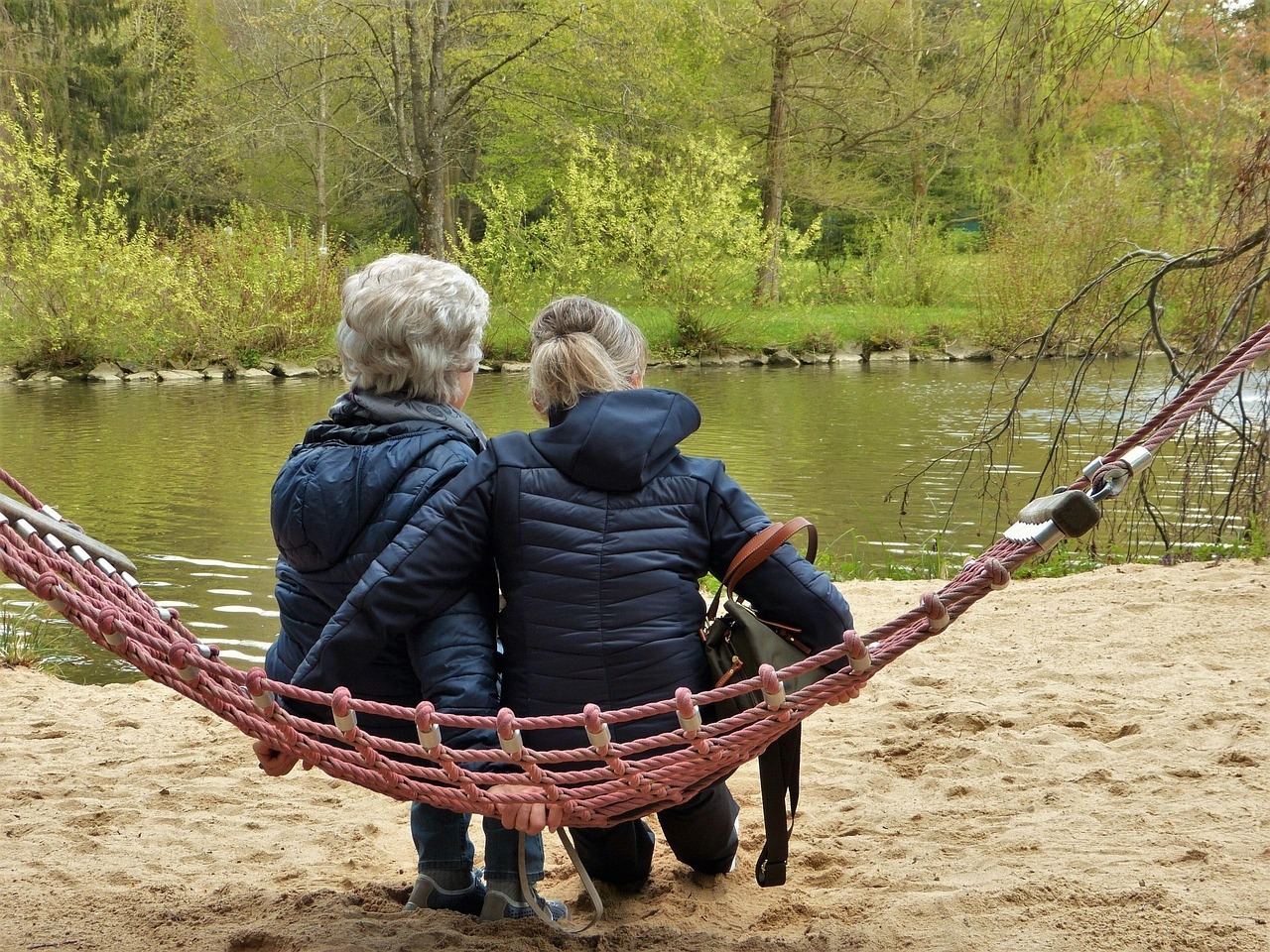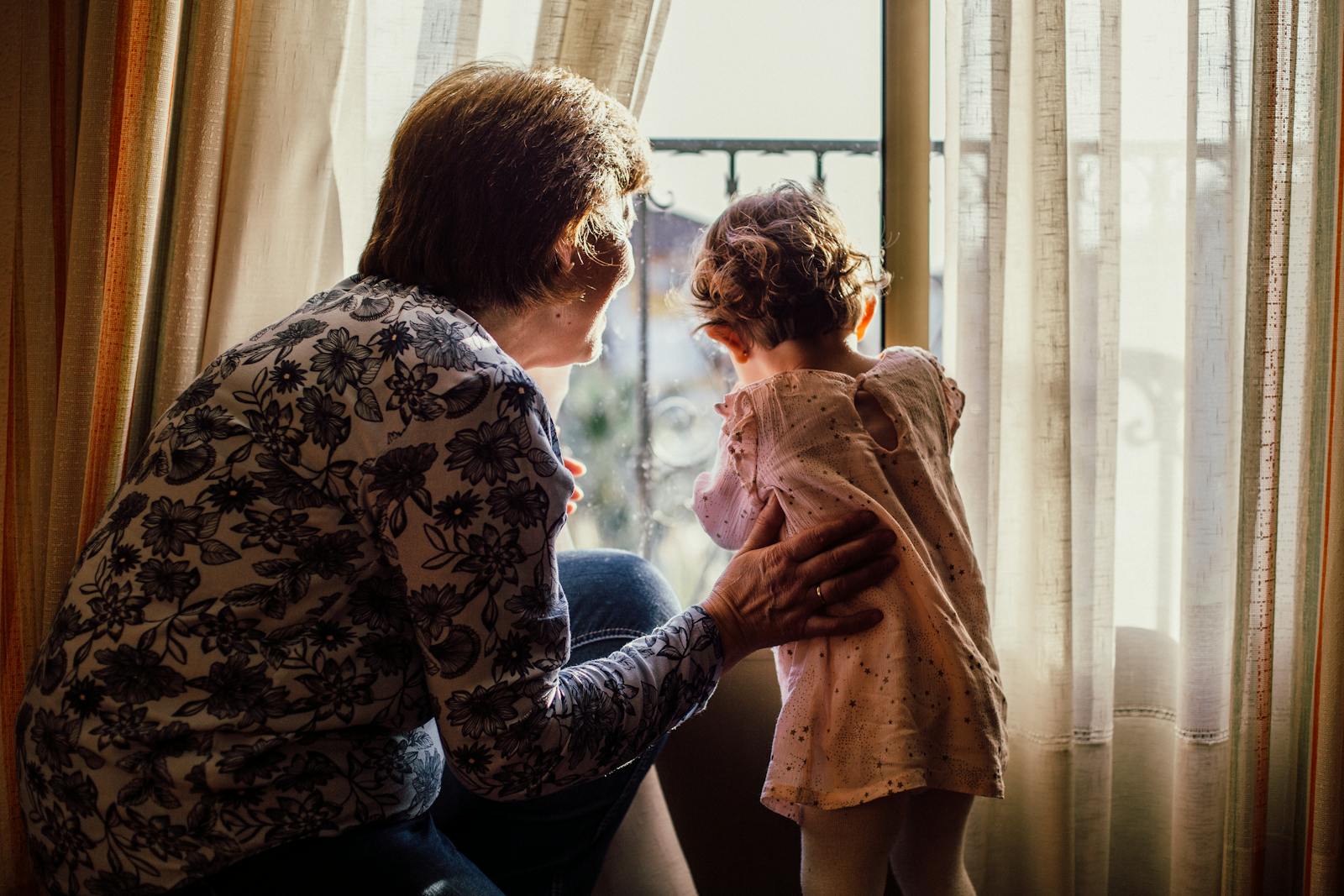
When a family member has Alzheimer’s, it affects the whole family, including children and grandchildren. It’s important to talk to young people and help them understand what is happening. For example:
- Answer their questions simply and honestly. For example, you might tell a young child, “Grandma has an illness that makes it hard for her to remember things.”
- Tell them that feelings of sadness and anger are normal.
Comfort them. Explain that no one caused the disease. Young children may think they did something to hurt their grandparent.
Younger children may watch how you act around your loved one with Alzheimer’s. Do not use “baby talk” or adopt a harsh tone with your loved one — children may pick up on this and act similarly. Try to be mindful of the tone of voice you’re using and the way you’re interacting with them. It’s important to show children they can still talk with the person and do things with them. Activities children and people with Alzheimer’s might do together include:
- Simple arts and crafts
- Playing music or singing
- Looking through photo albums
- Reading stories out loud
If you and your children are living in the same house as someone with Alzheimer’s, it’s important not to let the caregiving responsibilities overshadow the children’s day-to-day needs. For example:
- Avoid having a young child help take care of or “babysit” the person with Alzheimer’s. This may not be safe for the child or that person.
- Make sure the child has time for their own interests and needs, such as playing with friends, school activities, or doing homework.
- Spend quality time with your child so they don’t feel that all your attention is on the person with Alzheimer’s.
- Be honest about your feelings when you talk with kids, but don’t overwhelm them.
Some children may not talk about their feelings but may act out at school or at home. Older children and teens might be embarrassed by the behavior of the person with Alzheimer’s. Let children know they can always talk to you about what they’re feeling. School counselors and social workers also can help children develop healthy ways to process their feelings.