Shingles, also known as herpes zoster, is a viral infection that poses significant health risks to elderly individuals. This condition, caused by the reactivation of the varicella-zoster virus (the same virus that causes chickenpox), manifests as a painful rash and can lead to serious complications in older adults.
Why Elderly Are More Vulnerable
Older adults face greater risks from shingles primarily due to age-related immune system decline. As we age, our immune function naturally weakens, making it more difficult to fight off infections like shingles. This immunosenescence explains why people over 60 are more likely to develop shingles and experience more severe symptoms.
Beyond normal aging, other factors that can compromise an elderly person’s immune system include:
- Stressful life events
- Recent surgeries or illnesses
- Certain medications (particularly corticosteroids)
- Cancer treatments
- Conditions like HIV/AIDS
Symptoms and Presentation
Shingles typically presents with distinctive symptoms in elderly patients:
Early warning signs:
- Pain, tingling, or numbness in a specific area
- Burning sensation on one side of the body
- Headache and fever
- General malaise
As the condition progresses:
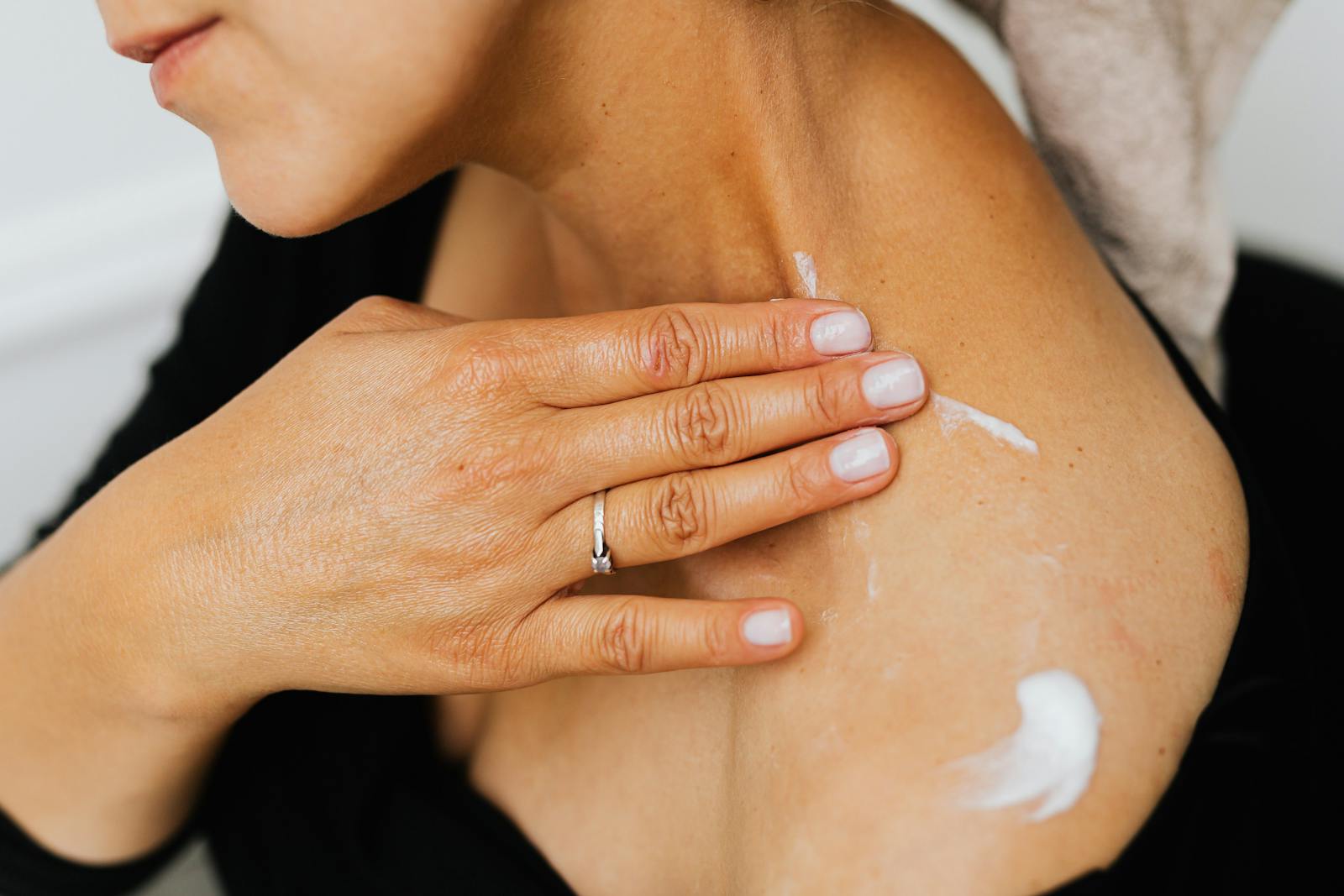
- A rash that appears as a band on one side of the body (often the torso or face)
- Fluid-filled blisters that scab over in 7-10 days
- Intense itching and sensitivity in the affected area
- Inflammation and burning sensation
In elderly patients, these symptoms tend to be more severe and last longer than in younger individuals.
Serious Complications
The most concerning aspect of shingles in the elderly is the potential for serious complications:
Postherpetic Neuralgia (PHN)
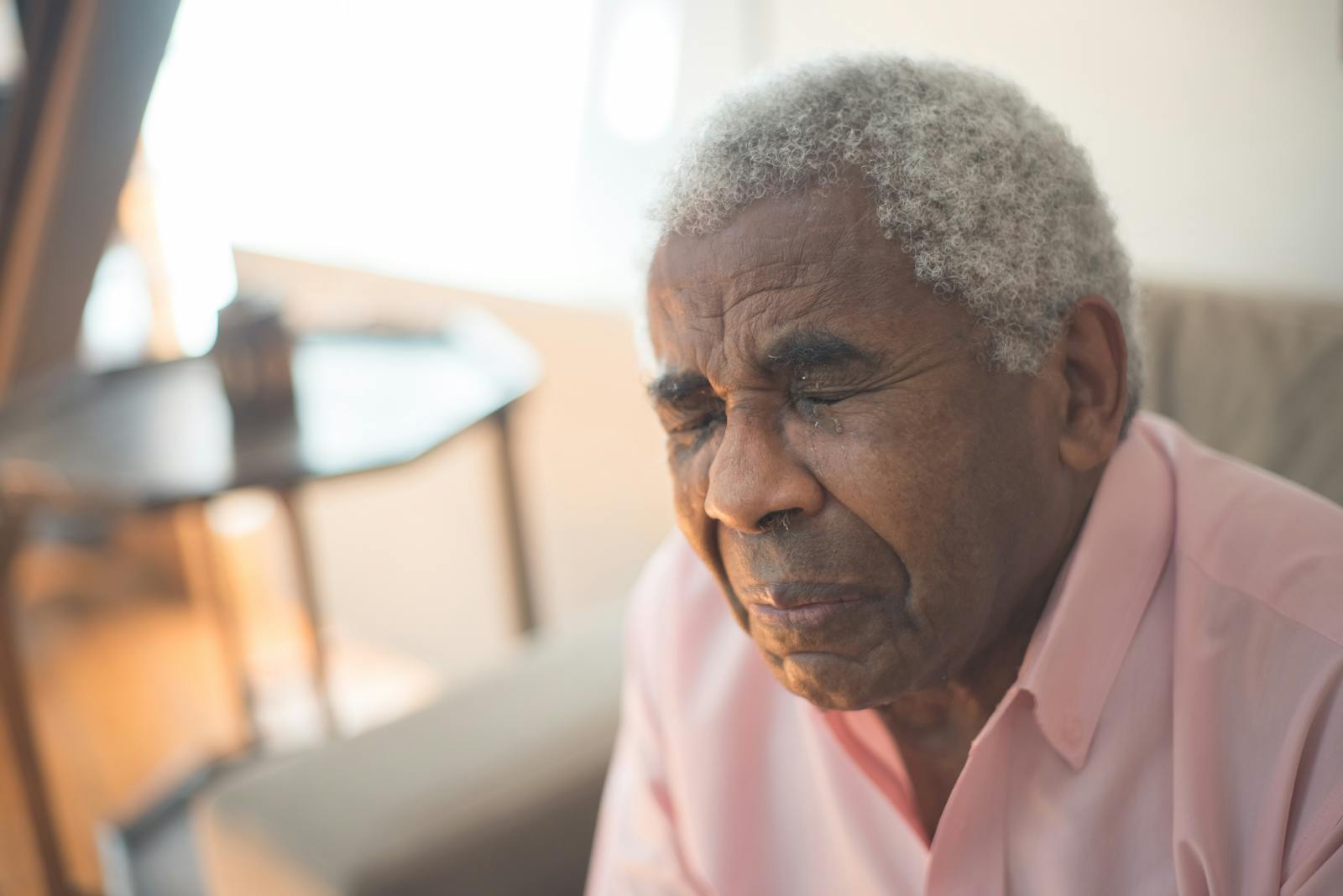
PHN is the most common complication, affecting up to 50% of untreated shingles patients over age 60. This condition causes persistent, debilitating nerve pain that continues long after the rash has healed—sometimes lasting months or even years. The pain can be severe enough to disrupt daily activities, sleep, and quality of life.
Vision and Hearing Problems
When shingles affects the face, particularly near the eyes (ophthalmic herpes zoster), it can lead to:
- Vision impairment
- Scarring
- Potential blindness
- Hearing loss
- Facial paralysis (Ramsay Hunt syndrome)
Cardiovascular and Neurological Risks
Research has shown that elderly shingles patients face increased risks of:
- Stroke (particularly in the year following shingles)
- Heart attack and other cardiovascular events
- Dementia (due to inflammation of arteries supplying blood to the brain)
Other Serious Complications
Additional complications that disproportionately affect the elderly include:
- Bacterial skin infections
- Pneumonia (inflammation of the lungs)
- Encephalitis (inflammation of the brain)
- Peripheral motor neuropathy
Mortality Risk
While shingles itself is rarely fatal, it can lead to life-threatening conditions in elderly patients with compromised immune systems. The CDC reports that shingles can be considered a direct underlying cause of death in some cases, particularly when it leads to complications like pneumonia or encephalitis.
Impact on Quality of Life
Beyond the physical symptoms, shingles can significantly impact an elderly person’s quality of life:
Functional limitations:
- Difficulty with personal hygiene and dressing
- Reduced mobility
- Sleep disruption
- Weight loss
Psychological effects:
- Depression
- Anxiety
- Confusion
- Social isolation
Prevention and Management
The most effective approach to shingles in the elderly is prevention through vaccination. The Shingrix vaccine is recommended for adults aged 50 and older, as well as immunocompromised individuals 19 and older.
For those who develop shingles, early intervention is crucial. Antiviral medications can shorten the duration and decrease the severity of an outbreak if started promptly. Pain management strategies, including both medication and non-pharmacological approaches, are essential for addressing both acute pain and PHN.
Conclusion
Shingles represents a significant health concern for elderly individuals, with potential impacts extending far beyond the initial infection. The combination of more severe symptoms, higher risk of complications, and substantial effects on quality of life makes this condition particularly challenging for older adults. Understanding these impacts emphasizes the importance of prevention through vaccination and prompt treatment when shingles does occur.