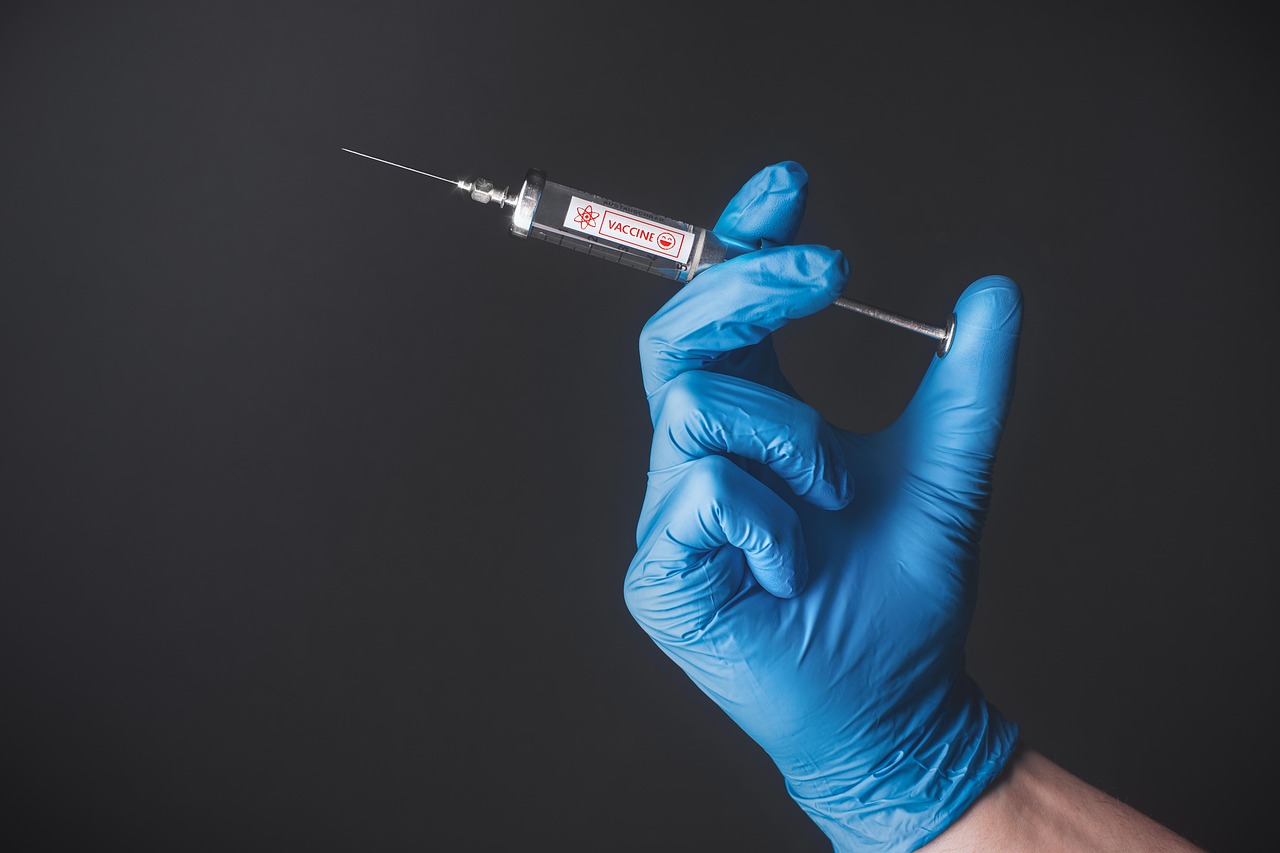
Adults 50 years and older should get vaccinated. There is no maximum age for getting Shingrix. You should also get Shingrix even if in the past you:
- Had shingles
- Received Zostavax
- Received varicella (chickenpox) vaccine
If you had shingles in the past, Shingrix can help prevent future occurrences of the disease. There is no specific length of time that you need to wait after having shingles before you can receive Shingrix. Generally, make sure the shingles rash has gone away before getting vaccinated.
Chickenpox and shingles are related because they are caused by the same virus (varicella-zoster virus). After a person recovers from chickenpox, the virus stays dormant (inactive) in the body. It can reactivate years later and cause shingles.
- You can get Shingrix whether or not you remember having had chickenpox in the past.
- More than 99% of Americans born on or before 1980 have had chickenpox, even if they don’t remember having the disease.
- Adults with weakened immune systems and no documented history of chickenpox disease, chickenpox vaccination, or shingles should talk to their healthcare provider.
Who shouldn’t get vaccinated
You should not get Shingrix if you:
- Have ever had a severe allergic reaction to any component of the vaccine or after a dose of Shingrix.
- Currently have shingles.
- Currently are pregnant. You should wait to get Shingrix.
If you have a minor illness like a cold, you may get Shingrix. But if you have a moderate or severe illness—with or without fever—you should wait until you recover before getting vaccine.